Traveler’s safety handbook
This handbook serves as a reference for U of T researchers to travel securely, confidently and responsibly.
 Experiencing phishing, fraud, or another security incident?
Experiencing phishing, fraud, or another security incident? Report an incident

This handbook serves as a reference for U of T researchers to travel securely, confidently and responsibly.

This guide helps you discover, drawing on open-source intelligence (OSINT) methods, what information about you is publicly available, and take practical steps to reduce unwanted exposure.

Protecting personal information, research data and university systems starts before you leave campus. Whether you’re travelling for work, study or research, use the resources below to safeguard your devices and data.

A short guide with practical steps to safeguard research data, devices and accounts while travelling for academic work.

A pre‑departure checklist to help you configure, pack and secure your devices and research materials.

If you’re travelling with a short‑term loaner laptop, phone or tablet provided by the university, review these recommendations before departure.

This article introduces three lightweight modelling approaches: STRIDE, DREAD and attack trees. They are ones that research teams can use in a single brainstorming session and return to as a shared security compass.

One of the key security risks to the University identified by Information Security is attacks targeted at researchers. While many of these threats extend beyond research, the scope of research activities and the value of intellectual property increases the risk from sophisticated attacks, espionage and foreign interference.
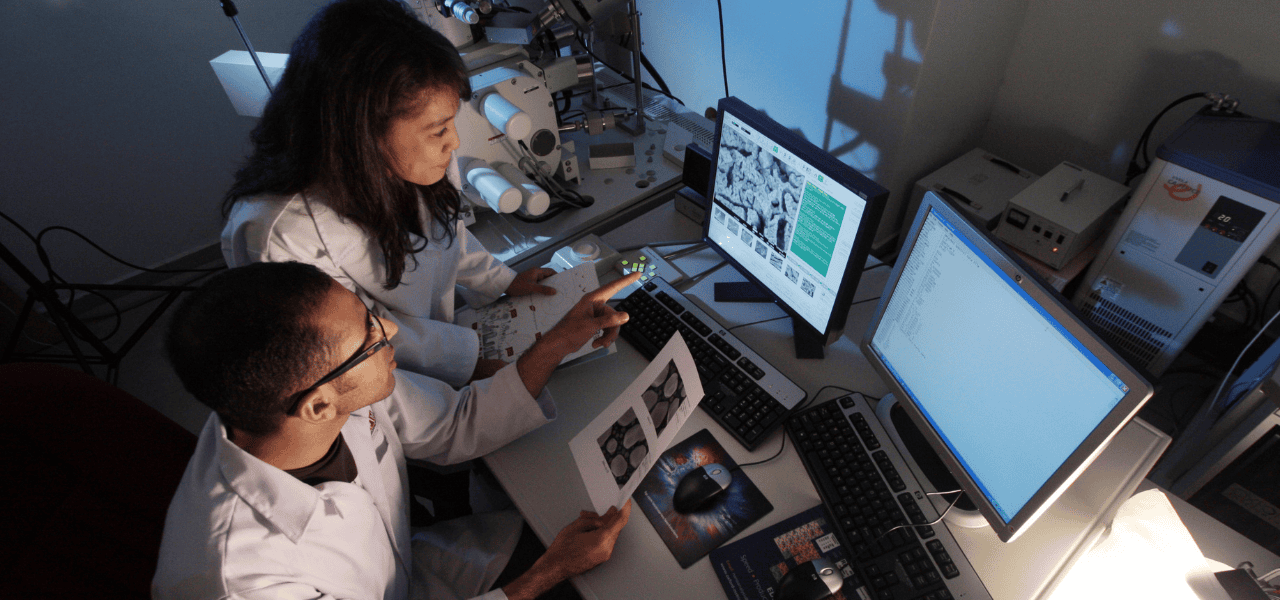
Research information security looks to protect your research information, data, intellectual property and systems by identifying, understanding and addressing potential information and cyber risks. By considering these risks, you can reduce the potential of data loss, unauthorized knowledge transfer and agreement breaches.

Securing your research environment is a journey of awareness and improvement determined by the amount of risk you are willing and able to accept. Small security considerations and process changes can drastically increase your ability to protect your data and identify, respond to and recover from security incidents.

Information Security provides advice, assistance and services related to the current and future cyber security realities of research to improve your competitiveness and productivity.

Data classification is a foundational step in determining how your research data should be protected to reduce the risk of data and intellectual property loss.

Submit your question through Enterprise Service Centre (ESC).